Join the OSS Resistance with Mike McQuaid
Interviewed by The Tech Lounge Podcast
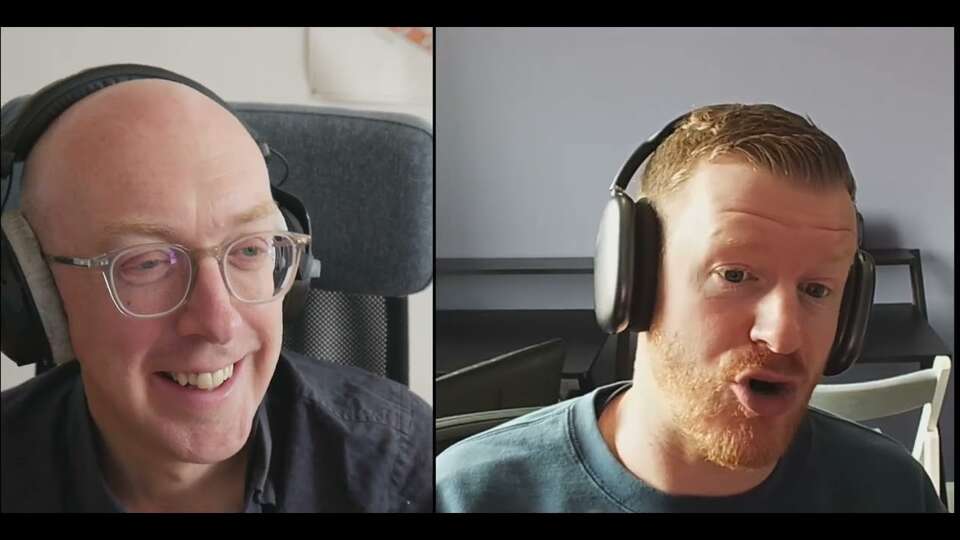
Mike McQuaid discusses OSS Resistance: doing small amounts of open source work on company time, the risks involved and why it may help sustainability.
https://chrischinchilla.com/podcast/join-the-oss-resistance-with-mike-mcquaid
Show transcript
- 0:00 welcome to the tech lounge with me christian chiller in this episode i have mike mcquade
- 0:11 back now previously he was on to talk about his work with homebrew and workbrew but now he's
- 0:19 actually back with something a little different called oss resistance open source software
- 0:25 resistance a sort of quiet revolutionary ask to recognize open source in a somewhat different way
- 0:33 anyway i will save further explanation of that for when he joins me when we recorded this it was a
- 0:39 while ago the weather now is quite different from when we were recording it i am very hot we weren't
- 0:47 when we recorded this but that's the nature of recording schedules if you are also looking for
- 0:54 maybe a more commercial equivalent to something like homebrew have a look at setup it's a
- 1:01 subscription service that gives you all sorts of really interesting mac os and ios apps for a flat
- 1:07 fee head towards go.christianchiller.com forward slash setup for more information and to throw a few
- 1:16 cents the show's way mike how are you doing this i don't know fine afternoon i'm not really sure how
- 1:24 much better or worse it is where you are yeah it's uh i'm in edward in scotland it's looking quite
- 1:29 drizzly out the window um it's pretty much the same yeah we basically have a rainy day and a half
- 1:37 before it gets super hot over the weekend yeah it's maybe my least favorite weather right now of being
- 1:43 rainy and warm and humid oh god yeah i hate that kind of weather as well uh i always say this to
- 1:50 people it's hard to describe and i think english speakers get me this kind of like cloudy stuffy
- 1:55 weather always makes me feel stuffy i don't even know what i mean by that but it just makes me feel
- 2:00 kind of muddled well i literally have a cold as well so apologies if i'm sounding a bit a bit blocked
- 2:06 up at the same time it seems to be all right anyway we were not here to talk about this is actually
- 2:13 something far stronger you sort of announced this i don't know a week or two ago um sort of out of i
- 2:20 guess not out technically out of nowhere you probably had a reason for doing it um with the name of
- 2:26 open source resistance which is pretty pretty uh
- 2:31 i don't know if confrontational is the right word but it's a pretty strong
- 2:36 name um yeah i mean i can hazard some guesses as as someone who's maintained open source projects for
- 2:43 some time i think you've been generally outspoken about this subject for a while
- 2:46 but what sparked this in particular i guess yeah well i i don't want to name this specific
- 2:52 person because it's definitely not on them but i listened to a talk relatively recently
- 2:56 and they were mentioning like the open source pledge and various other kind of efforts to sort of
- 3:02 you know get maintainers better pay or sustainability or whatever and it just i had this light bulb
- 3:10 moment where i was like yeah like both a lot of the discussion around this stuff doesn't really match
- 3:17 my experience right and also that a lot of it is to use maybe a silly psychological language like
- 3:25 outside of people's locus of control right so do i just hope that century or another company involved
- 3:33 the open source pledge deigns to drop a bunch of money in my lap and then that will solve my problems
- 3:38 like um that to be you know to be very clear as i say on the kind of manifesto like that's not saying
- 3:45 that that's bad it is good it is definitely a net positive and things would be better if we had more
- 3:51 of that but it is not in itself the solution to the problem and what i realized is like what i have done
- 3:57 for quite a long time relatively quite well increasingly less quietly is i do a lot of my
- 4:05 open source work during my working hours right and i have just kind of balanced that with my work and
- 4:13 um you know i i'm not spending the majority of my working hours doing open source and i'm not
- 4:21 getting as much as i would maybe like to done but also like it's not really negatively impacting my
- 4:26 employer in any meaningful way more than if i spent a similar amount of time using tiktok or buying
- 4:33 stuff on amazon or smoking or making coffee or watercolor or whatever exactly any wide variety of other
- 4:41 things that people do yeah so i spoke to a few people about it and i just thought like yeah i'll make
- 4:47 this kind of manifesto basically just saying hey just do this on your company time and it's
- 4:52 ironic because uh when i was at github maybe exactly 10 years ago from now or so uh i was pitching
- 4:59 something called open source friday which was like yeah a similar model but asking essentially your
- 5:05 employers to kind of give you permission to do this right and i guess 10 years on i'm not sure how much
- 5:11 is my worldview changing and how much of it's i can say what i maybe thought 10 years ago and
- 5:16 get away with it more but it's just like well maybe don't ask for permission maybe you don't need to
- 5:22 get permission and check that you're not going to get trouble if you get caught but then even then
- 5:28 if you get caught like you're not gonna you know spend 15 minutes on answering a ticket on github
- 5:34 on your open source project and then someone catches you you get fired instantly but that's not
- 5:38 how these things go right um so yeah so that that was the the motivation that sprung this
- 5:44 manifesto into being and i suppose i mean first i guess we should clarify you don't necessarily
- 5:50 even mean open source projects are related to your job it could be something no completely disconnected
- 5:56 no i i mean it's obviously it's easier the closer it is related to your job there are people for whom
- 6:03 their job is being paid as an open source maintainer so i would say they don't really fit into this
- 6:08 bucket um i guess the next bucket would be oh i have this problem at work with an open source library
- 6:15 we're using can i fix it on work time i mean i think we're at the point that all but the most
- 6:20 idiotic companies would say yes of course um but i what i'm proposing is you know again depending on your
- 6:28 kind of comfort level it might be in my case every company i've used has used homebrew but the the
- 6:34 bunks i fix during work time are not necessarily bunks that anyone in my company hits uh and i guess
- 6:40 further away just being like well you maintain some random thing and that's important to some people
- 6:45 in the ecosystem but your company doesn't use it yeah and i still think that is okay right uh because
- 6:52 as i say in comparison to i'm going to spend that time on tiktok or whatever right like i think that's
- 6:58 a net positive for everyone including your employer yeah because even if it's not directly related you
- 7:02 are probably still learning things which you then bring into your day job right unless you're in
- 7:08 some sort of what's the tv show where they you know severance or whatever where they cut people
- 7:12 oh brains to do that i've not watched it but it's an interesting premise and people sort of act a
- 7:18 little bit like that's what's happening sometimes when it's not i i guess so the sort of the it's
- 7:24 interesting because you've got this very strong like resistant terminology but in some respects it
- 7:29 feels like a very sort of quiet resistance but maybe that's uh luck on my part because in my mind i
- 7:37 sort of feel like i don't think i've ever actively worked for a company that would dissuade this
- 7:42 so do you know of people who have actually been in that opposite situation where it's like there are
- 7:47 mechanisms in place that really are negatively so negatively encouraging that's called discouraging
- 7:53 there's a word for that discouraging people on doing something like this yeah i mean it's i have
- 7:59 had i will not name and shame them right now but i've had companies that i've been interested in
- 8:05 uh applying to work there and as part of the process they've said hey um during the hiring process
- 8:13 basically you need to stop doing your open source i think i know which companies you're referring to
- 8:18 knowing your past well there's probably there's probably more than you might think oh for sure
- 8:24 and yeah it's like you know you need to stop this and legal will check into it and approve it and
- 8:29 you know that process takes normally a month after you start and that's fine and i guess for me i'm like
- 8:35 well you're only interested well maybe not only but like you you seem to be interested in me
- 8:41 pretty heavily because of my open source work and you're now saying i can't do that in this
- 8:46 company i'm thinking of this case i can't do that in my evenings and weekends even for a month if i
- 8:51 join you yeah uh so you know i didn't say it quite like this but my view is fuck off like i think
- 8:58 it's i i find it ridiculous that organizations do not see the inherent contradiction in making those
- 9:06 sorts of requests of people and particularly when you know those organizations at least some people
- 9:10 inside them rely on open source software and it's like literally your own policies are trying to kill
- 9:16 the golden goose for whom their eggs you rely on right like it's yeah but yeah i i'm with you in
- 9:23 that like most of the places i have worked have been fine with this right and in some cases explicitly
- 9:29 fine in some cases implicitly fine yeah um but i guess i find it interesting the kind of social media and
- 9:38 hacker news commentary around this stuff clearly there are some people who feel very differently
- 9:42 because there was various comments along the lines of you know this guy's going to get fired for doing
- 9:48 this and ironically my current boss said oh i saw this on hacker news i gave it an upvote right so
- 9:55 but yeah but i mean obviously there is a large number of organizations for which this would be
- 10:03 well at least the perception of the people working there is that they could never possibly do this
- 10:07 right and they would be immediately fired if they did so and i had various people who reached out to
- 10:12 me who said as much um and i guess you know you can be a little bit more nuanced on a call like this
- 10:19 than you can be on in writing but i guess i'm dubious about that yeah like i'm dubious to the extent to
- 10:26 which all of those people like i i think there's obviously like a a long line on this stuff between
- 10:31 you know punching your boss in the face yes probably that will get you instantly fired and it should
- 10:36 uh to the the employment equivalent of driving at 31 miles an hour in a 30 zone yeah where
- 10:43 everyone does it no one cares right and the examples of you you know using tiktok ordering something on
- 10:50 amazon replying to a personal email at work like if you read your information security documentation
- 10:55 probably all of those are forbidden by your employer it's very true yeah everyone does them
- 10:59 anyway yeah it doesn't really matter um i i do wonder whether there's also a certain amount in the
- 11:05 software industry of people tend to be kind of quite binary in the way they look at things and people
- 11:10 are like well my employer says i'm not allowed to do this therefore i cannot rather than well in my
- 11:17 employment contract it says i'm not allowed to do an awful lot of things and actually they probably
- 11:21 don't care and the company's lawyers will ram in as much stuff in there as they can and also like in
- 11:26 my case like i've i've interviewed for i mean almost every company i have interviewed for there's been
- 11:31 something in the contract that says um you know we own all your ip you've actually got this explicitly
- 11:38 as a point here and definitely i've done the same thing where that's what you sign but when you say
- 11:43 hey i work on this open source project it has nothing to do with the company product kind of
- 11:49 whatever it's just a thing in the contract well and and and also i guess to maybe hammer home on that
- 11:56 even more if you're like me and you're you are a little bit more of a stickler for it's a thing in
- 11:59 a contract like if you were negotiating this at the right stage which is you have made an offer they've
- 12:04 accepted they've probably declined other candidates so you could say well if it's just a thing in a
- 12:08 contract you don't care about remove the sentence from the contract and i will sign the contract but
- 12:12 until then i can't sign the contract i'm sorry and that in my experience has worked 100 of the time
- 12:17 right because it's you usually get exceptions added and things like that i've had that even for
- 12:23 side jobs which i get paid for yeah which are nothing to do with the like when i've done journalism
- 12:29 stuff and it's like well it's nothing to do with you as long as i don't write about a competitor
- 12:33 but sometimes it is best to have it explicitly there just in case and to call out a company
- 12:39 doing this well rather than you know my former employer github you know they open sourced their
- 12:43 ip agreement on this stuff which is they had like a balanced ip agreement which i don't know the state
- 12:48 of it today or github's ip agreement today but suddenly they were like literally you can work on
- 12:52 a side project using your company computer during nine to five monday to friday and unless it's your
- 12:58 work we do not own the ip yeah you can then go off and make a startup like based on that this is it's
- 13:04 an interesting one um because i sometimes wonder this reflects of course the nature of a company if
- 13:10 it's everyone in the office kind of thing it's possibly a little harder to do it even if that's just
- 13:16 peer pressure whereas a sort of remote company that also doesn't use things like key loggers or screen
- 13:23 monitoring and stuff like that it's kind of no one really knows what you're doing anyway unless they
- 13:28 really want to go and so there's a little bit of i don't know if privilege is the right word but
- 13:32 there's obviously a somewhat relation to the nature of the company you work for as well but yeah i think
- 13:39 that's definitely true yeah and yeah those organizations where they're using those type of
- 13:44 things that mean that you would be scared to order something on amazon for you know your personal life
- 13:50 on your work computer like yeah like it probably is not going to fly there but i would also you know
- 13:55 obviously people as you say that you have the privilege some people can choose where they work
- 13:59 and some people can't yeah if you have the choice i would advocate that you do not work at those
- 14:04 places yeah and also in some cases like it might be worth saying maybe a 10 a cut is worth it to not
- 14:10 work in those places with those conditions true it's very true obviously lots of news right now about
- 14:16 meta and their various employees being upset about things that are being done with their working
- 14:22 conditions you know and obviously there's some people say if you've got someone there on an h1b
- 14:27 who is like well yeah i have to leave the country and my family and my home and everything if i quit
- 14:32 then they you know whereas there's other people who probably get job offers on a regular basis who
- 14:37 could leave might have to take a lower salary but maybe they want to do that and maybe if it gets
- 14:42 bad enough they will so i mean you bring up an interesting point like if we're having this conversation
- 14:46 five years ago yeah i think it would be easier to sort of say yeah yeah whatever you know there's there's
- 14:53 other places but of course the market is a little bit different now so is there a little bit of an issue
- 14:58 of timing with with this announcement do you think of encouraging people to do to bend the rules ever so
- 15:03 slightly in a not great job market yeah well i mean i think the interesting thing about it is it's like
- 15:10 so for example uh one of my kind of workflows like i wrote about the most recent kind of blog post on
- 15:18 my website was about i'm kind of embracing like multi-work tree agentic workflows which you know
- 15:24 get all the buzzwords out there but essentially you know you get ai agents to work on multiple things at
- 15:29 once and in some ways it feels like i'm back to the old days of like when i was you know a c++ dev and i
- 15:37 would have a project that would take 20 minutes to compile and you do your stuff and then you hit
- 15:41 enter and then you wait for 20 minutes right and in that time you find other stuff you can do and
- 15:46 sometimes you run out of work still and i guess with the agents it's like well one of the other
- 15:50 things i can do now sometimes is copy and paste the bug report into another agent which i pay for
- 15:56 myself and get it whirring away in the background um to do that so i guess it's like you could make an
- 16:02 argument that like oh well you're using you know like what whose resources are being used in what
- 16:07 way but let's say you do this like as as by the book as possible and you have that other agent running
- 16:15 on a different computer and you're using you know your open source project or your personal tokens and
- 16:19 not your works tokens and and everything like that like i find it i find the argument that that is
- 16:25 somehow devastating to your employer to be one that's kind of hard to believe really and and also
- 16:33 like you know i've worked with lots of people over the years like people in those little periods where
- 16:37 you've got or i have five minutes between two meetings one meeting left ended early another one
- 16:41 does i mean are you really gonna get much productive work done in that time right like and the idea that
- 16:49 like open source would be one of the worst things you could do rather than one of the best things you
- 16:53 can do again it's very cultural dependent it's very company dependent um but yeah i mean you are right
- 16:59 again though to point with the privilege with part of this where you know if you are a very junior
- 17:05 engineer and this is your first job and the conditions are terrible and you've got a key lock on your
- 17:08 machine like i don't know i think yeah this is a smarter move for you right but then again there's a flip
- 17:16 side to this where it's like well a i'm in a position in my career that i can say things like
- 17:22 this and this might close doors for me but i'm okay with that you're okay also i think it's
- 17:28 exactly yeah also i think it's important for people to know that there's like this is a thing you could
- 17:33 do and in my case like my me doing lots of open source work has dramatically improved my job
- 17:39 opportunities in the longer term so there your intro there was a great post by uh rand
- 17:45 like uh rands who writes like ransom repose i remember i think he said something along the lines
- 17:51 in one of his career advice books in the past about you know you should imagine yourself as even if
- 17:57 you're employed that you essentially have one employer which in my case is mike mcquade limited and
- 18:02 that's the only company you will ever work for and you're even if you're employed you're essentially
- 18:07 doing freelance work for other companies in exchange for money right and for some people you are self
- 18:12 employed and that is how it works but i think lots of people are employed it's it's easy to confuse
- 18:18 what your company's view is on your professional and career development with what's actually maybe
- 18:24 best for you it's a very european perspective but yeah
- 18:26 and in this case like me doing this and a bunch of other maintainers i know doing this
- 18:33 like i mean so i guess to there was a quote there i added from jeremy allison who created samba
- 18:40 and co-created samba and was at google that it's the duty of all free software developers to steal as
- 18:45 much time as they can from their employers for software freedom right and i had another maintainer who
- 18:49 remained nameless who messaged me about this and said like yeah like i essentially built my career as an
- 18:55 open source developer off the back of being a bad employee right and and i i think these are the
- 19:00 types of things where you know it's maybe an interesting ethical discussion or whatever for
- 19:05 some people but like i i i feel like as long as i'm doing what is asked of me at work and i'm
- 19:10 meeting the requirements right like exactly maybe a b grade performance is better than an a grade
- 19:16 performance for me in my life right because but you've you've hopefully also done a lot of b grade work
- 19:22 in other places at the same time so yeah yeah and you know i remember that like like a b grade at least
- 19:30 when i was at school was was good that was fine like that's well done that's you could do better but
- 19:35 like you did good enough right and i think there is a sort of slightly sociable thing there about like
- 19:42 is giving all of your energy and bandwidth and everything to your employer is that the maximally
- 19:49 effective thing and the funny thing is i guess i see in almost like even the kind of maybe the the ceo or
- 19:55 vc class or whatever it may be like they've kind of moved away from that you know whereas now it's
- 20:00 kind of cool for well cool for a lot of these kind of ceos and vcs and big people at public companies to
- 20:07 like go to the gym and get ripped and all this type of thing and it's like previously 20 years ago that
- 20:12 would be like a counter signal because it's like oh no you shouldn't be exercising you should be
- 20:16 living in the office all the time right whereas and and i guess my view is you know again you may not
- 20:21 have the privilege to do that but it's worth looking at those people and being like well are they doing
- 20:27 are they living a radically different uh lifestyle from what they expect of me yeah and if they are
- 20:34 then it's they're probably not going to be the ones to tell you hey maybe don't work all night
- 20:40 tonight or like chill out or spend a bit of time working on open source right like that's going to have
- 20:44 to come from you and you have the power to make that decision right so i mean what some of the other
- 20:53 alternatives you mentioned here like the open source pledge is obviously a kind of uh a relatively
- 20:58 last time i looked at it anyway a relatively sort of large company uh club
- 21:04 generally it's been a little while since i kind of checked in on it but you know century is one of
- 21:11 the main people behind it having a look at some other companies here i recognize the names of um
- 21:16 you know there's a there's a sort of active part in getting people to sign up and commit and etc etc
- 21:23 whereas the open source resistance seems very much more like a just hey think about this i don't even
- 21:28 see any kind of sign up or anything it's just a just a manifesto so i mean is there
- 21:35 a trackable end goal here or is it just a here's an idea yeah i i think my trackable end goal is just
- 21:44 that more people this i think the tricky thing is i'm essentially asking people to like be a little
- 21:51 bit naughty right so it's um so that there's a if you could excuse a very weird parallel is in the u.s
- 22:00 it is illegal to take most performance enhancing drugs and steroids and things like that right but
- 22:07 then you have sports where you know world's strongest man is maybe the most notable example
- 22:13 of which you cannot compete or like bodybuilding like you you cannot win those things without taking
- 22:19 enormous amounts of steroids so you put people in a slightly silly situation where these people are
- 22:24 obviously taking steroids they allude to it but when they are asked particularly on certain tv programs
- 22:29 certain times are you taking steroids they say no of course not because otherwise they're saying yes i
- 22:34 am breaking the law right like and i think there's a similar thing with here where i would love to
- 22:40 have a world in which i could have a essentially like a sign up for the manifesto and say that you
- 22:45 too are going to do this but particularly some of the the less pleasant employers we've talked about
- 22:50 before um that might not necessarily work very well and also i think this is a thing where
- 22:57 so far uh it's reminds me of there's a post i wrote again probably about 10 years ago called
- 23:03 open source maintainers owe you nothing yeah yeah which looked at the licenses and whatever and point
- 23:09 out that i was like look like we it says in the like we don't look at closed source software and all
- 23:16 the eulahs in terms of service and whatever we we're like okay the company is trying to like protect
- 23:21 itself whatever but for some reason we don't either as maintainers or users of open source don't seem to
- 23:26 internalize that like we essentially have eulahs for open source software that is the license and the
- 23:31 license says if it breaks like it's available as is if it's full of bugs or it breaks or your supply
- 23:38 chain is compromised whatever that's not on me like that and you agree in using the software
- 23:43 that's not on me right exactly so i i think there's a like that that post was kind of interesting because
- 23:51 it it i'm annoyed and continues to annoy a lot of people in open source but the people who are annoyed
- 23:59 by are sort of the people i intend to be annoyed by it because you you were annoyed by me stating
- 24:05 something to be the case which you do not agree with but that it is the case like you might not
- 24:10 like it but it is true yeah and i've had a lot of maintainers over the years kind of share it with each
- 24:14 other or um essentially be like i found this really helpful or this can help me convince me to quit or
- 24:22 whatever it may be and i think my goal with this is the same sort of thing is that like essentially i
- 24:28 if i've convinced even one person to spend a bit more time in the working hours working on open
- 24:33 source then i will consider that a success um and i expect that what that will look like is private
- 24:40 emails or dms or people saying to me at conferences like oh yeah so listen i started trying to do it
- 24:45 right quiet resistance exactly because i i just don't think it's necessarily people's best interest to
- 24:52 to shout about it and i i see my position as being as you say like sufficiently privileged
- 24:58 yeah well i will shout about it so that people who can't true it's a good point like there's a there's
- 25:04 another flip side that just came into my head though around this like you know when times were slightly
- 25:08 different um and a lot of well not a lot but there was a handful of companies that had
- 25:15 yeah this uh 20 percent time or the the fridays you mentioned or there were companies that would
- 25:21 actually pay you a little bit extra each month for working on open source projects and things and whilst
- 25:27 you know in some respects the open source resistance is a bit more in the spirit of
- 25:34 well these people don't actually owe you anything so don't expect it it was kind of nice that some
- 25:39 companies stepped up so is there a concern that by having this and saying hey well we're just going
- 25:45 to do it anyway those companies that maybe might start considering things like that again like
- 25:49 well what's the point um why bother yeah yeah i i think that's a fair point i mean i would imagine the
- 25:55 companies that are doing that are already not helping right so uh i guess uh but i i think some of it's
- 26:04 a kind of an ethos thing where i'm not i i guess like what i would expect a company that says i don't
- 26:12 i won't bother is like maybe they're saying okay i'm not gonna sign up for the open source pledge but
- 26:17 instead i'm going to let my you know i'm going to share this internally or let my people internally like
- 26:23 work on open source and kind of turn a blind eye to it or whatever and in my mind i would depending on
- 26:29 the person and projects involved that might be more positive right because things like the open source
- 26:34 pledge like i think the thing that's good about those things is that obviously it's a direct like
- 26:39 monetary transaction but it has a bunch of problems built into it so one of which is i guess let's use
- 26:47 myself as a case study right so if you say i want to pledge a hundred thousand pounds a year to homebrew
- 26:54 right like well that's like it unless the homebrew project agrees like yeah let's just pay mike now
- 27:04 full-time to do that then it's like that money doesn't magically just create more work out of nowhere and in some ways like a better amount would be a you know say like 10 000 pounds which for anyone not uh
- 27:17 ofay with the uk's currency is not an amount that anyone in the uk can really live off um by
- 27:24 a long way and as a result it's like well so how does that money translate into ours if everyone doing it
- 27:31 already has a job then okay maybe we can get some ai tokens or do various things to speed things up but
- 27:39 if your goal is to turn money into time then actually there's a bunch of like tricky boundaries
- 27:46 to get over that and even if it was enough money to pay me to quit my job then it's like well how many
- 27:51 years does that get me and if i go and apply for a mortgage and i tell them like the situation they
- 27:58 will be like no mortgage for you sir like so i i think and i guess another part of this stuff is that
- 28:05 generally the money flows to projects that are easier to measure and detect so if if you are running
- 28:11 a project and you use npm like and your javascript project it's very easy to measure which of those
- 28:17 npm libraries are widely used and important and maybe maintained and maybe need the money or or whatever
- 28:23 right but it's very hard to notice that like well how did you install npm well through homebrew like
- 28:28 well you don't have any code that even says the word brew in it it's buried in an onboarding dock
- 28:33 right and everyone just knows that this is how you do it and then going deeper right so maybe you're
- 28:38 running homebrew on linux well like you're running it in a terminal app like how are you detecting
- 28:44 that that terminal app is in gnome or kd how are you detecting that your system is on linux like
- 28:49 this is all stuff that kind of gets missed from the detection tooling right yeah and as a result like
- 28:55 i think we have this idea that we can force enough money through the system it will solve a lot of these
- 29:00 problems but i actually think the money ends up cooling in the places and the projects that are
- 29:06 optimized for receiving the money as much as true anything else and yeah and that's pro that's
- 29:11 probably the right thing to happen but it doesn't almost like get us to the open source sustainability
- 29:17 nirvana where everyone can just quit their jobs and do this yeah or it's you know again it's companies
- 29:24 that do um invest a bit more in open source hiring those people and then yeah even if they don't intend
- 29:30 to they end up with a degree of influence on a project they might it may not be explicit but it's kind of
- 29:35 going to be implied because they're working for that company um yeah there's many examples of that it's not
- 29:43 malicious it's just passive pressure yeah but also that can go both ways so like homebrew for example um
- 29:53 has an enormous amount of uh free stuff that we get from github yeah like more than the average project
- 30:01 right um and probably some of that is because there was a reasonable amount of time when i was working
- 30:07 at github right and i could go straight to the ceo yeah at various points and say hey can we have this
- 30:12 thing like and they would say yes and then that's great cool now we have a free thing um so yeah i i
- 30:18 think again like not all company not all projects are homebrew not all companies are github but like it's
- 30:23 you know i i think i i guess again maybe with this manifesto and talking about it i think it's just almost
- 30:30 like getting people's eyes open to like there is a different way of doing some of this that people
- 30:37 haven't talked about very loudly like the the jeremy allison court i mentioned earlier like i that
- 30:43 that had been shared with me uh as a response to this kind of manifesto and i hadn't actually heard it
- 30:47 before um but even finding that post actually like where it was referenced was kind of it was pretty buried
- 30:55 right and it's there's not a lot of conversation around stuff like this despite the fact that it
- 31:02 it actually i think is maybe the primary contributor to open source sustainability is
- 31:08 maintainers doing this in their working hours at least yeah the maintainers i know that i meet at conferences
- 31:12 and for them and various communities right like this is a lot and like this is how they talk about this stuff
- 31:18 and again maybe some of it's like an age thing as well right where you know yeah it's a little when
- 31:23 you're 25 it's much easier to maybe spend all your evenings and weekends doing this stuff it's if you
- 31:29 enjoy it and it empowers you but like when you get you know spouse and kids and dog and house and all
- 31:35 these type of things like it's much harder to just be like sorry i'm gonna go spend all my time
- 31:41 sharking off my family commitments working on something that that pays me nothing uh to be
- 31:45 shouted out on the internet it's an interesting uh we have it's a whole sort of separate conversation
- 31:49 but to think about the kind of the the impacts of the recent ways of ai tools on this whole
- 31:55 even the whole concept of open source yeah you know it's happening in the sas world and the commercial
- 31:59 world but also potentially in the open source world it's like well why bother contributing to an open
- 32:04 source project when i could just make it myself and a lot of those end up on github as well or
- 32:10 whatever that they're in their own state of flux at the moment but um it is basically just a file
- 32:19 storage or is it actually or is it actually an open source project because yeah uh it's quite easy to
- 32:26 recreate now um so it's interesting to see if we'll even have this conversation in 10 years or something
- 32:32 i don't know that's a broader conversation um i i just a couple of final questions around that i
- 32:42 also think your your be careful out there section is a very good guidance just purely for like side
- 32:50 projects full stop yeah and things to think about it's very easy to accidentally leak things left
- 32:56 right and center when you're swapping hats and stuff like that um so that is a useful
- 33:01 uh fact in there anyway um and also what could you explain the photo at the top what is going on in
- 33:08 this photo uh so i'm glad you asked about that so that there is uh the the initial draft of this i
- 33:16 shared with a few people and it had a ai generated image of a pirate ships sailing a sea of binary which
- 33:24 was i thought pretty awesome actually but like someone gave me the feedback which i agree with um
- 33:31 well if i didn't agree with that i wouldn't mean it that like look there's a certain demographic of
- 33:34 person now who will see an ai generate a bit of art and immediately be like oh this like and there
- 33:41 is nicer to have something that may be a little bit more human so um as i you know i didn't want to
- 33:47 go into the stock photo era so this is you can't really tell from the little snippet but this is me
- 33:53 sticking my thumbs up while at the homebrew stand in fos them wearing a giant beer costume um oh okay
- 34:00 it just looks like a white t-shirt for me yes yeah yeah so like that's that's probably for my benefit
- 34:06 but yeah the the white t-shirt is in fact the froth at the top of the beer costume um and yeah and even
- 34:12 the story behind that like the get us getting organized for fos them the homebrew maintainers
- 34:18 are not always the most organized bunch we're very good with like security vulnerabilities but not so
- 34:22 much with like getting people in meat space and so somewhat someone posted before this particular
- 34:29 fos them about six months before and was like aha look it's a beer isn't this a funny beer so we
- 34:34 should make mike wear it and i was like i don't trust any of you to be organized enough to actually
- 34:39 get a beer suit to fos them but if you do then i will wear it uh and they did and i did so so uh 81
- 34:46 who wants to do web accessibility or optimization will note that if you right click the image has just
- 34:51 been cropped so you can find the original image by doing a web inspector
- 34:56 yeah i think it's yeah it's available somewhere now i found it i think maybe even on a homebrew
- 35:02 page there's a picture of me you know it makes a bit more sense because out of context you look like
- 35:05 some kind of 90s bro trader but then you take a look at the whole picture it's quite different
- 35:15 and some obligatory club mate there as well which i also i was back in melbourne during fos them
- 35:20 i discovered club mate has now made it to australia which is kind of weird
- 35:25 and they had some very bizarre marketing around it which um oh yeah i bet what was the use of the
- 35:31 word mate actually that was an obvious one which they didn't go for but they had like pictures of
- 35:37 berlin clubs saying the energy that keeps berlin club scene going or something like that i can't
- 35:42 remember it was a bit weird it was very very odd to see it uh but yeah okay well i don't really know
- 35:49 whether this is something to say good luck i don't know it's kind of uh but i guess keep spreading the
- 35:54 word and you don't i don't mean this in a bad way i mean this in probably a good way there's no kind
- 36:00 of like uh shareables here i think this is a i like the idea of this kind of quiet resistance of like
- 36:06 if you see mike say something uh if you feel like sharing it do but it's sort of all very like up to
- 36:12 you which i kind of i kind of sort of suits the the vibe of the whole thing i guess so yeah i think
- 36:19 that's the funny thing with you know i guess the modern internet i'm sure you've been around the
- 36:24 block enough chris as well i'm sure you've also questioned your relationship towards social media
- 36:29 and virality mostly not using it these days so yeah yeah same here so i it's funny because again like
- 36:36 maybe in contrast to some big company initiative where you try to get people to sign up like it's
- 36:41 yeah there is no call to the call to action here is a quiet resistance and it may be that
- 36:47 the people who are influenced by this never tell me about it and i also don't you know again talking
- 36:52 where was my turn i don't have any analytics on this page by design i don't know how many people
- 36:58 have viewed it will view it whatever but like so long as it keeps seeming to influence people in
- 37:03 a positive way i'll i'll keep it up as long as i can justify doing so so yeah and and my goal is that just
- 37:09 it makes people maybe think about these things a little bit differently yeah it's an interesting uh
- 37:16 campaign it feels like an odd one because yeah there is no direct cta but that's kind of half
- 37:20 the fun half the point the web should be a bit more like that again maybe uh yeah well good luck
- 37:30 and uh thanks for joining me again yeah thanks again chris and that was my interview with mike mcquade
- 37:38 talking about oss resistance hope you enjoyed the interview next time we're back with another live
- 37:45 interview recorded at the pytorch con in paris earlier this year and again please take a look at setup at
- 37:54 go.christianchiller.com forward slash setup for a subscription service for mac apps and head to
- 38:01 christianchiller.com forward slash podcast for more on tech lounge thank you for joining me and see you all
- 38:09 next time.
- 38:39 you